Raw materials are heavy and real
Metal and reclaimed timber arrive at weights and dimensions a render never shows, and not every piece suits every floor or wall.
Industrial style leans on raw materials and honest forms. Decato matches the look to real products (metal, reclaimed wood, leather), checks they fit your room, holds the budget and returns a spec.
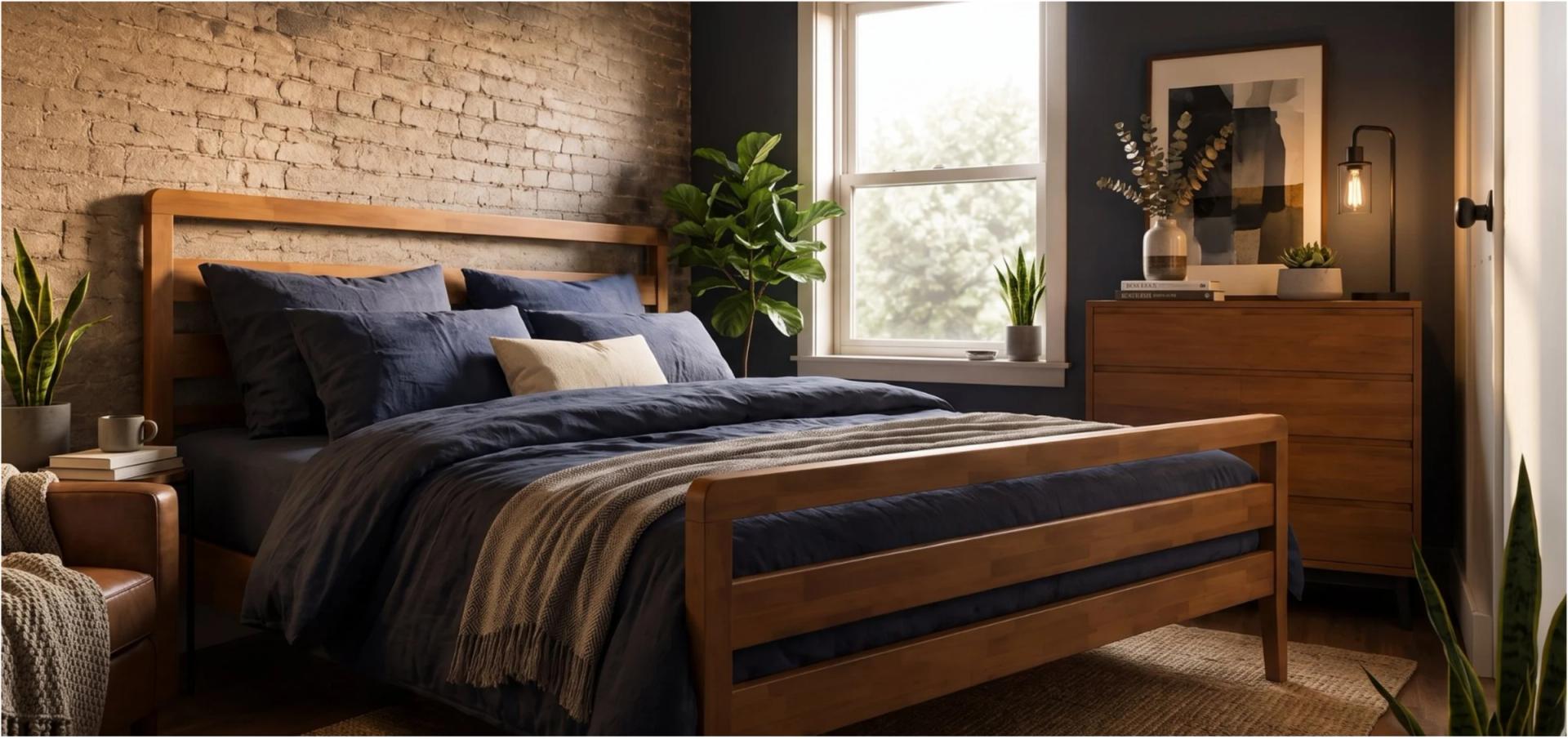
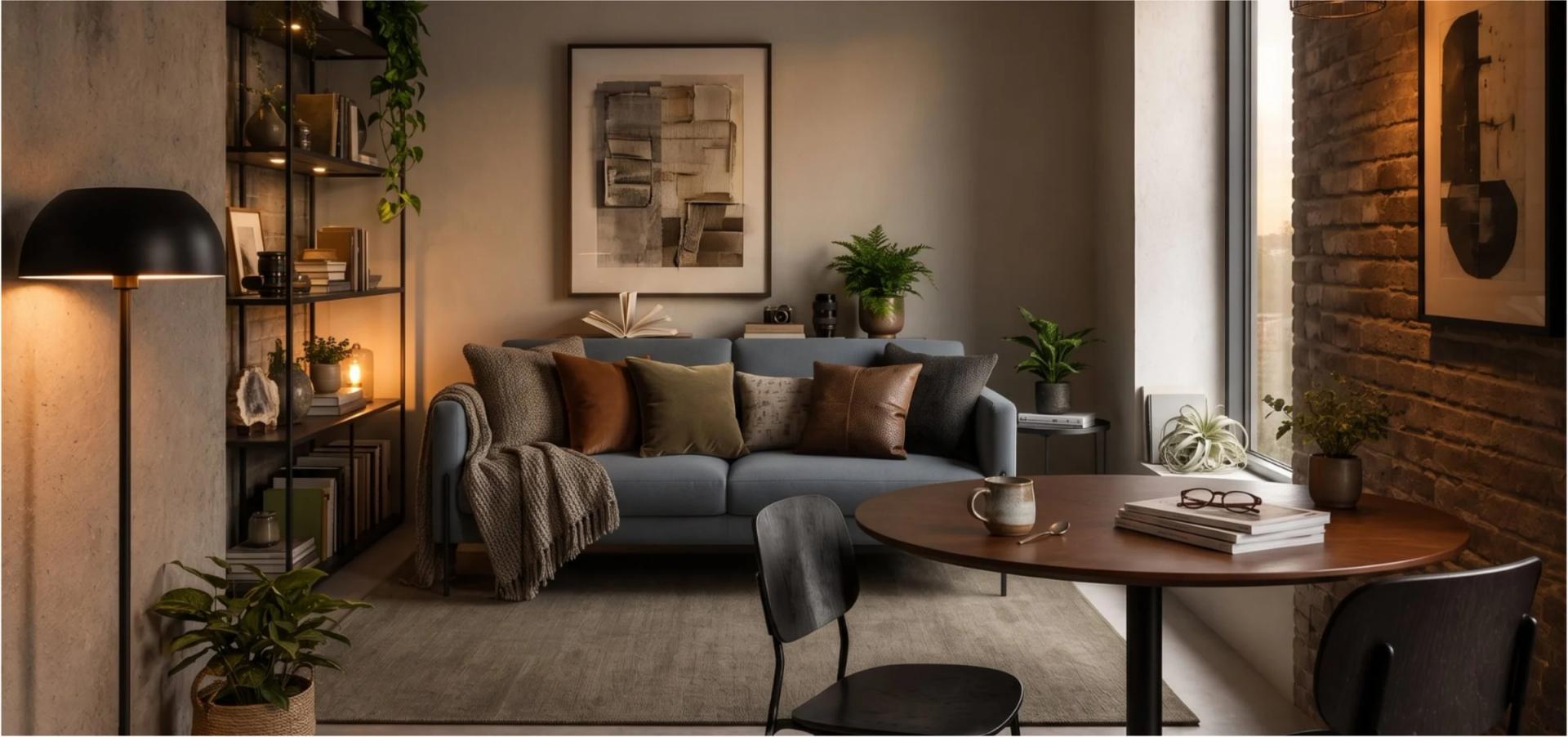
A sourced industrial room: real products matched to the look, fit-checked and priced.
Metal and reclaimed timber arrive at weights and dimensions a render never shows, and not every piece suits every floor or wall.
The muted range the style depends on can flatten a room without good daylight, so the pieces have to be chosen against the room’s real windows.
The style reads deliberate only when the exposed forms are consistent; mixed finishes look like a room that was never completed.
Import the plan with the window positions, because a dark palette depends on them entirely.
Real products in the raw materials the style is built from, matched as one consistent finish family.
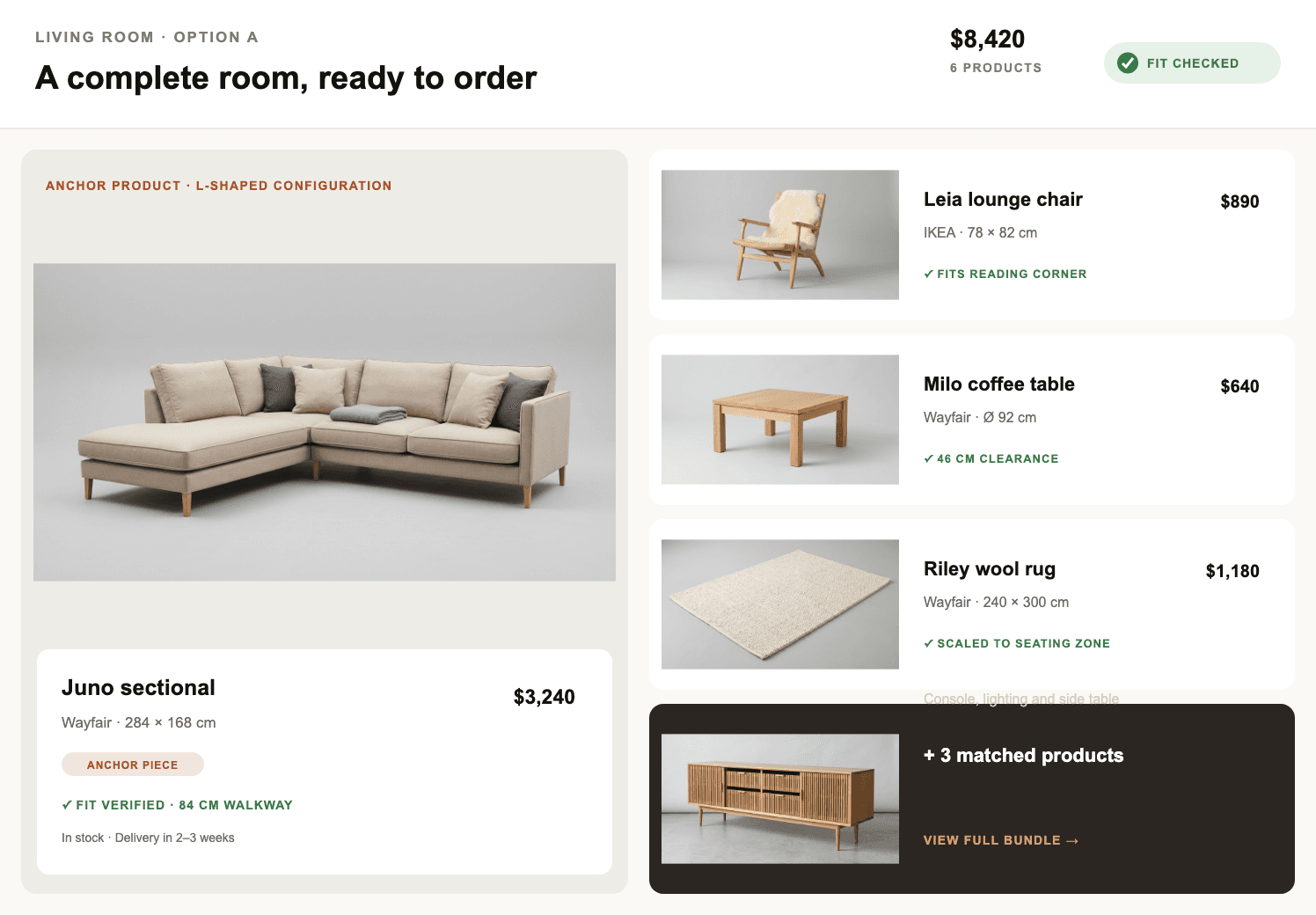
Each piece measured against the plan and added to a visible running cost as the room fills.
A render from those exact products, and a priced list to hand over.
Yes. Decato matches industrial-style real products to your room, checks fit and budget, and returns a spec.
No, the output is a sourced room of real, coordinated products checked against the space, with a bill of materials.
Not necessarily, but the palette has to be chosen knowing what light there is. Because sourcing runs off the real plan, the window positions are part of the decision rather than something discovered after the furniture arrives.
The render is generated from products that are in the bundle, each with a price and a fit check against the room. What is presented and what is ordered are the same set of items.
Industrial rooms depend on consistency and on light. Decato sources one finish family against the room’s real windows, checks every piece on the plan, and returns the render with the priced spec.